- 062 776 7892
- info@hologrammonkey.co.za
- Kempton Park

Augmented Reality (AR) is transforming the way we perceive and interact with the world around us. From entertainment and education to business and healthcare, AR has swiftly established itself as a revolutionary technology. We delve into the captivating realm of augmented reality, exploring its applications, benefits, and the promising future it holds.
What is augmented reality?
Augmented reality (AR) is a technology that overlays digital information, such as images, videos, or 3D models, onto the real-world environment in real time. Unlike virtual reality (VR), which immerses users in entirely digital environments, augmented reality enhances the real world by adding computer-generated elements to it. This integration of digital content into the physical world is typically achieved through devices like smartphones, tablets, smart glasses, or specialized AR headsets.
AR applications use the camera and sensors of these devices to capture the surroundings and then process that data to superimpose digital content onto the user’s view. This content can range from simple graphics, text, or animations to more complex interactive 3D objects. The goal of augmented reality is to enhance the user’s perception of reality by seamlessly blending digital and physical elements, creating an immersive and informative experience.

AR has a wide range of practical applications
across various industries
AR games like Pokémon GO have gained popularity by integrating virtual creatures into the real world, encouraging players to explore their surroundings.
AR can make learning more interactive and engaging by overlaying educational content on textbooks, posters, or real-life objects.
AR can allow customers to visualize how products might look in their homes before making a purchase, enhancing the shopping experience.
AR navigation apps can provide real-time directions by overlaying arrows or signs onto the user’s view of the road.
Surgeons can use AR to display patient data and surgical guidance directly onto their field of view during procedures.
Architects and designers can use AR to visualize 3D models of buildings or interior designs in real-world environments.
Concerts, events, and shows can integrate AR effects to enhance the audience’s experience.
AR can be used for training purposes, such as guiding technicians through complex maintenance procedures.
In today’s crowded marketplace, it’s crucial for businesses to grab attention quickly. With its mesmerizing visuals, a 3D hologram fan display offers a unique and eye-catching way to showcase products, services, and brand messages. By incorporating this technology into your marketing strategy, you can enhance brand visibility and leave a lasting imprint in the minds of your target audience.
AR delivers visual elements, sound and other sensory information to the user through a device like a smartphone or glasses. This information is overlaid onto the device to create an interwoven experience where digital information alters the user’s perception of the real world.
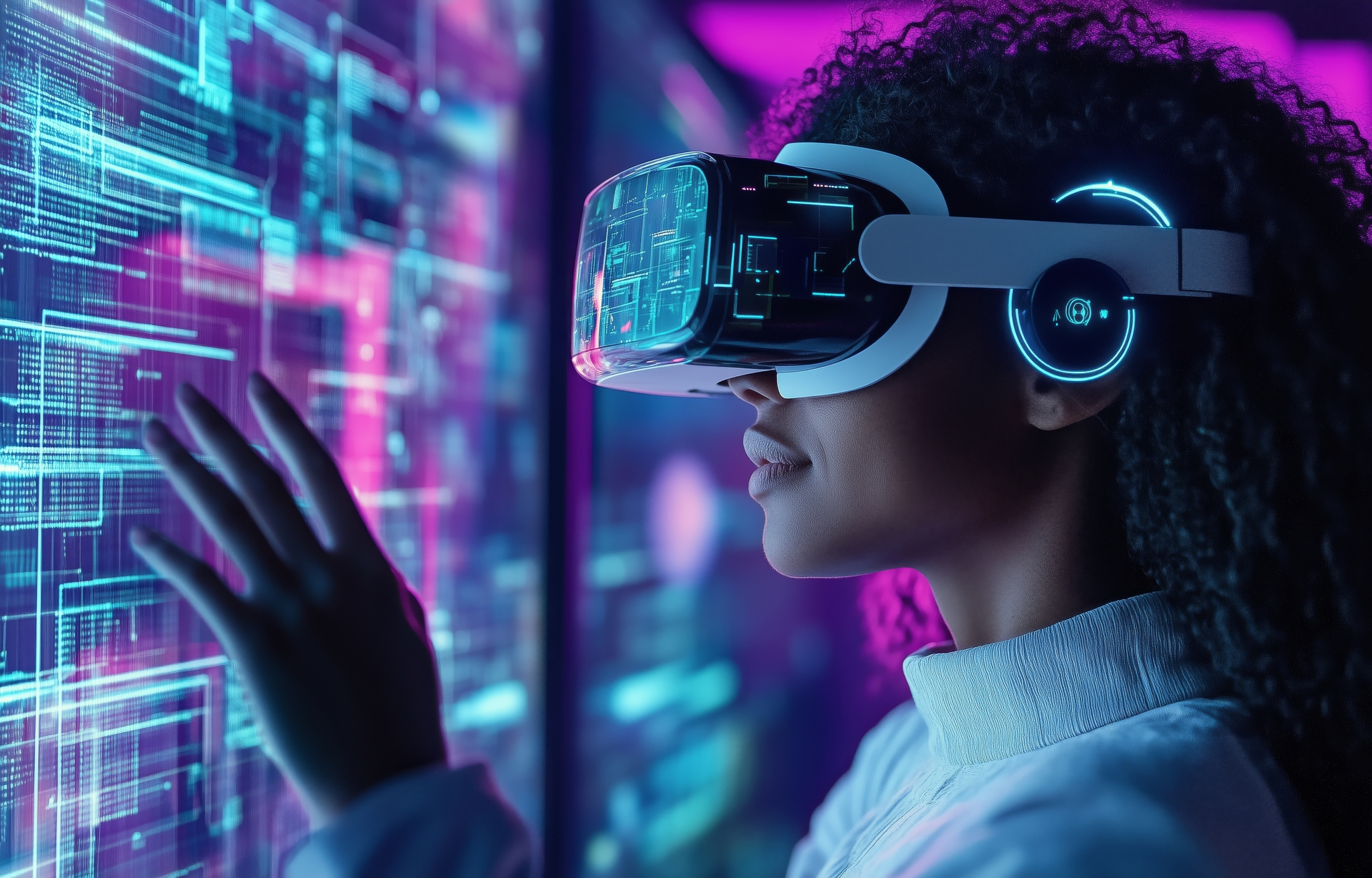
Businesses are leveraging AR to create unique and engaging customer experiences. From virtual try-ons for clothing and makeup to visualizing furniture in your living room before making a purchase, AR is redefining online shopping. It reduces uncertainty, enhancing customer satisfaction, and decreasing product return rates. Furthermore, industries like real estate are utilizing AR to provide virtual property tours, saving time and resources for both buyers and sellers.
The medical field has embraced augmented reality to revolutionize patient care and training. Surgeons can now use AR to visualize intricate details during procedures, improving accuracy and minimizing risks. Medical students can practice surgeries in a risk-free virtual environment, honing their skills before operating on real patients. This amalgamation of technology and medicine is a testament to AR’s potential to save lives and elevate healthcare standards.
As technology advances, the potential of augmented reality seems boundless. From assisting navigation with real-time AR overlays to enhancing social interactions through virtual communication, the possibilities are endless. However, challenges such as privacy concerns and seamless integration into daily life remain. With the collective efforts of innovators, these challenges can be addressed, and AR can continue to reshape our world.
From Concept to Captivating Display
At Hologram Monkey, we provide an end-to-end service to ensure your visual experience is impactful and seamless.

We're Here To Help